Mobile Only Veterinarian • 1.904.733.3389
skinner-van

 Doggy Spa Day Gone Wrong

This article is originally published through the Pet Poison Helpline: petpoisonhelpline.com

Boxer Eats Eye Mask Potentially Containing Toxic Ingredient 

MINNEAPOLIS, Minn. (Feb. 25, 2026) – The cooling face mask Kate Vaughan purchased was supposed to help with headaches and maybe those puffy eyes. When her dog Maya decided to eat rather than wear the mask, however, it created a different kind of headache – one that ended in a trip to the pet emergency room. 

“We have four dogs, and two are usually the troublemakers,” explained Vaughan, who lives with her family in Florida. “When I found my face mask chewed up, I actually yelled at the wrong dog. When Maya started vomiting up the gel, however, I realized she was the real culprit.” 

At first, Vaughan wasn’t too concerned. She used to work at a dog training company, and has been around dogs her whole life, so she assumed Maya would simply vomit up the mask contents and be fine. 

“My husband slept on the couch to be close to her, and she vomited throughout the night,” Vaughan added. “The next morning, she started acting wobbly, so I decided I better call a veterinarian. They advised me to call the toxicology experts at Pet Poison Helpline.” 

“We are finding that some face masks have started to contain a chemical compound called acrylamide, which can be toxic to both pets and people if ingested in a large enough quantity,” said Renee Schmid, DVM, DABT, DABVT, a senior veterinary toxicologist and director of Veterinary Medicine at Pet Poison Helpline. “We have seen an increase in the number of suspected acrylamide poisoning calls we receive from seemingly harmless products. National Poison Prevention Month is coming up in March, so we thought it was timely and important to highlight this case for other pet lovers.” 

When Maya arrived at the Veterinary Emergency Clinic of Central Florida, she was panting and anxious but had stopped vomiting. Pet Poison Helpline advised the hospital medical team that the face mask may have contained acrylamide, which can cause gastrointestinal upset, central nervous system stimulation or depression, ataxia (poor muscle control), tremors, seizures and liver injury. Ingestion of acrylamide is fatal in many instances. They recommended Maya receive an anti-emetic, intravenous fluids and continued monitoring. Due to the risk of kidney and liver damage, bloodwork monitoring was also recommended. Specific medications for tremors, seizures and liver support were discussed to be given based on how Maya’s symptoms progressed. 

“Acrylamide can be found in a wide range of products, including cosmetics and packaging,” Dr. Schmid added. 

Pet Poison Helpline is warning pet lovers about the potential hidden dangers inside products and materials containing acrylamide. Typically, exposure to cold packs and wraps causes mild stomach upset. However, after ingestion of cooling migraine wraps, pets were developing severe neurologic signs including ataxia, body tremors, and seizures. In certain cases, liver and kidney failure were also occurring. These severe signs have been fatal in several cases. 

“While there continues to be testing and research as to why this is happening, we have discovered a common link that may be causing the severe poisonings; acrylamide,” Dr. Schmid confirmed. “Educating the public on the potential risks of these products if ingested by pets is critical in minimizing the number of animals being exposed to this potentially fatal material.” 

“Maya is 13 years old, so I’m astonished she came back so well,” Vaughen added. “She’s acting like a four-year-old again. We spent $4,700 on veterinary bills, but obviously it was 100% worth it.” 

About Pet Poison Helpline 

Pet Poison Helpline®, your trusted source for toxicology and pet health advice in times of potential emergency, is available 24 hours, seven days a week for pet owners and veterinary professionals who require assistance treating a potentially poisoned pet. Per incident and subscription service options are available. We are an independent, nationally 

recognized animal poison control center triple licensedby the Boards of Veterinary

Medicine, Medicine and Pharmacy providing unmatched professional leadership andexpertise.Our veterinarians andboard-certifiedtoxicologists provide treatment advice forall species, including dogs, cats, birds, small mammals, large animals and exotic species. As the most cost-effective option for animal poison control care, Pet Poison Helpline’s feeof$89per incident includes follow-up consultations for the duration of the case.The companyalso offers pethelpline(SM)and pethelplinePRO(SM)subscription services directly to pet lovers.Based in Minneapolis,Pet Poison Helpline isavailable in North America by calling 800-213-6680. Additional information, including a chat feature for pet owners, can be found onlineat www.petpoisonhelpline.com.

###

. 
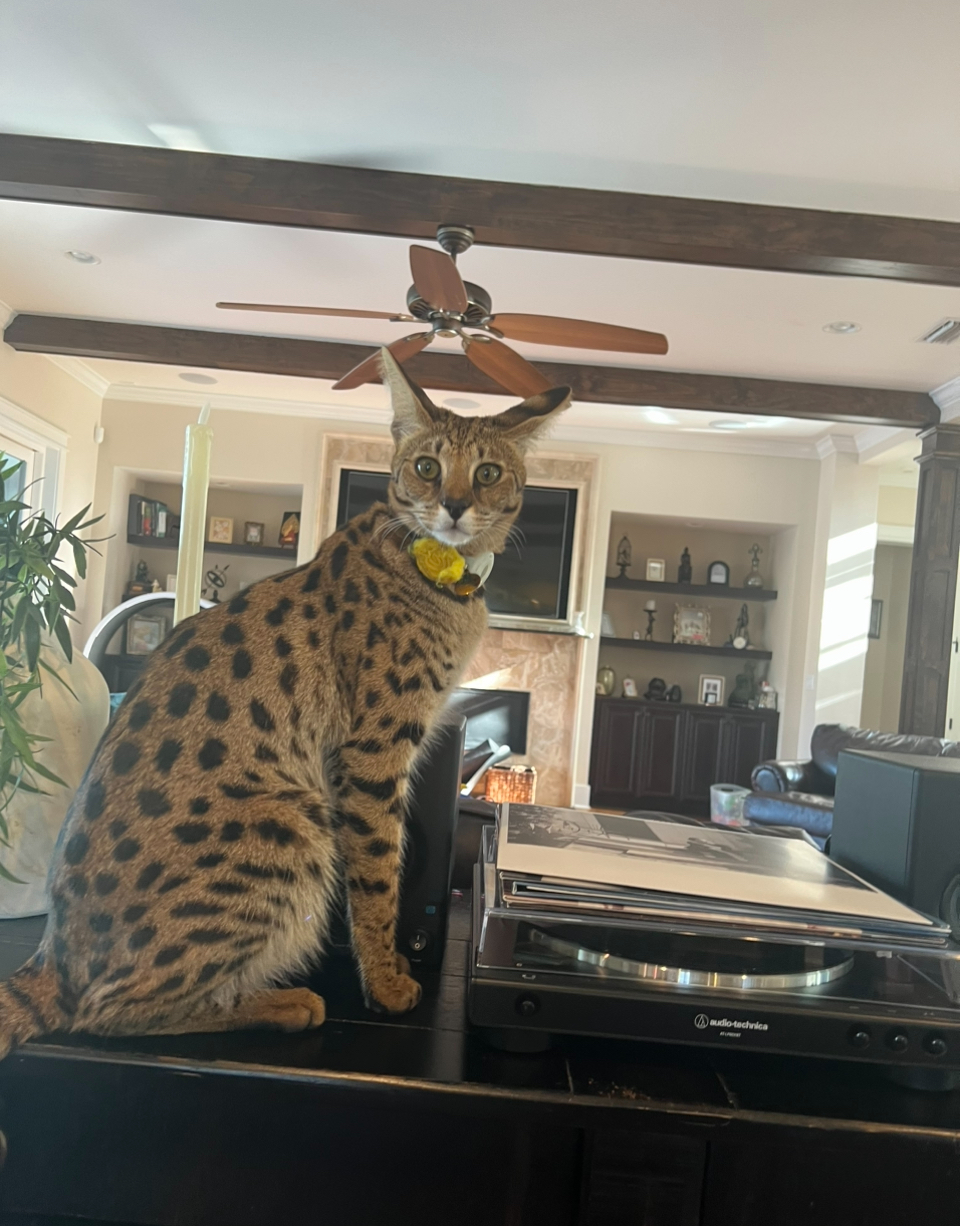
Lost – Savanna Cat

  • Pet name: Apollo
  • My owner is: Theresa Cooper
  • Microchip ID: 981020041877114
  • Phone: 9045767466
  • Last Seen: April 8, 2024
  • Address: 5335 Bentpine Cove Road, Jacksonville, FL 32224
  • Sex; Male
  • Spayed/Neutered?: Yes
  • D.O.B.: April 24, 2022
  • Species: Savannah

Phoebe needs a home ASAP!

A client asked us to put her cat to sleep because she is going into assisted living. I talked her into letting me try to rehome her first. And that if I couldn’t find a suitable home we would proceed. She is 13 years old, quiet and healthy.
January VetDirect Discount Codes

January VetDirect Discount Codes

Every month VetDirect has Discount Codes for their website. Here is a link to January 2024’s codes:

https://docs.bombbomb.com/ulib/9gb9gg/docs/53e8348d-bb76-f418-9037-8c6efd353d77/01JAN2024DisplayFlierFORwwwProplanVetDirectcomClientDiscounts.pdf

Two sweet cats need a new home.

The owner of these two kitties died recently. Her sister and friend are hoping to find homes for them.

The cats have been well cared for, We can furnish all necessary medical information. If you think of anyone. please pass this along. Sugar is a shy sweet lady cat who likes the quiet life. Tika is very loving and friendly.  Both are indoor cats.

If interested, please contact Chris Miller at (904) 739-9172

Tika is very loving and friendly.
Sugar is a shy sweet lady cat who likes the quiet life.

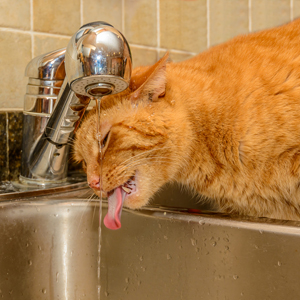
How to Lead a Cat to Water AND Make Him Drink it

Cats who eat a dry diet need more water than those on canned food.

Original Article from:

September 12, 2016

As a general rule, cats and water don’t get along, but did you know that many cats will avoid getting water in them as well as on them? Sometimes, getting water into a cat is as challenging as getting a cat into water.

It seems reasonable to expect that when cats get thirsty they will drink, but cats don’t have that long-standing reputation for being finicky for no reason! Sometimes it seems that along with their inherent aversion to water, cats also seem to have an aversion to doing whatever it is you want them to do, even when it’s in their best interest. You can lead a cat to water but you can’t make him drink.

A 7-pound cat’s minimim water requirement is 5 ounces per day. That assumes that the cat is hanging out in a nice temperate environment, not outside in tremendous heat or being chased up a tree and spending energy and fluids with exercise. This minimum also assumes that it’s a normal, healthy cat, not an old one with kidneys that aren’t up to speed any more. Of course the requirement goes up as the cat gets bigger or more active.  For a normal, healthy, small to medium-sized cat, 5 to 10 ounces of water per day is probably fine.

Cats who eat a primarily dry diet need to drink more than cats who eat mostly wet food, as wet food already contains about 70-80 percent water. If kitty’s diet consists of mostly canned food, she’s likely getting a good portion of her daily water requirement just from eating. For the rest, fresh, clean water should be available at all times.

Since we can’t observe our feline friends’ behavior all day every day, we can’t really be sure how much water is actually ending up inside them. When you consider the potential health issues that can occur if your cat doesn’t drink enough, making some small changes around the house and to your daily routine in order to avoid those issues is more than worth the trouble.

Among the most common health issues that can arise from dehydration are constipationurinary tract and/or bladder inflammation, and urinary blockage. Blockages occur when enough crystals/stones form to prevent urination. A serious blockage of the urethra, the thin tube that transfers cat pee from the bladder to your favorite rug and your new shoes, can very quickly become life-threatening. Blockages are most common in male cats, as the urethra is narrow and more easily obstructed. If you see blood in kitty’s urine or feces or he seems to be straining to pee or poop, the best thing to do is get him to your veterinarian immediately.

If you have a senior cat, helping her stay adequately hydrated is even more important, as her aging kidneys need all the help they can get to keep functioning properly.

Some cats are especially finicky and need a little extra enticement to bring them to the water bowl. If your cat isn’t into canned food (surprisingly, some prefer dry!) there are several ways you can help encourage your cat to drink more water.

  • Try switching to a mostly canned diet. Cats are creatures of habit, so change can be hard for them to accept. Consult with your veterinarian before you change the diet as they can help you select the best food for your cat and give you tips to make the transition smooth and successful.

  • Wash and refill your cat’s water bowl daily. You wouldn’t want to drink from a glass of water that’s been sitting around on the floor for three days, so your cat probably doesn’t either. He is way more finicky than you about things like that, most likely.

  • Put several water bowls throughout your home in different locations. With their well-earned reputation for being finicky, it’s no surprise that some cats will show a preference for drinking from certain spots in the home over others.

  • Try different kinds of water bowls. Just like with the location of the water bowl, kitty may have a preference for a certain type of bowl. Try rotating between metal, plastic, and ceramic bowls. Cats often prefer wide, shallow bowls because they don’t like sticking their faces down inside a bowl with tall sides.

  • Never keep kitty’s food and water next to or near the litter box. Cats may be animals but chances are high that even they don’t like to eat or drink next to the odor (and possible contamination from) their toilet.

  • Add appetizing flavor to the water. A few drops of tuna juice (from tuna packed in water – not oil!) or chicken broth can make kitty more inclined to drink. Make sure you limit the amount of sodium in whatever you add to your cat’s water.

  • Feed smaller meals, more frequently. Eating triggers thirst so eating more often could lead to drinking more. Be careful not to overfeed, though.

  • Try a water fountain. Many cats are attracted by the moving water and the circulation helps to keep the water fresh. Some cats need time to get used to it though, so if you’re trying it for the first time and kitty doesn’t seem interested, leave it running for a couple of weeks before you give up on it.

You probably don’t need to try all of these ideas to get your cat to drink more water, but implementing just a couple of them could make a huge difference and help keep your cat hydrated, healthy, and happy longer.

Goblins and ghosts and monsters, oh my!

Halloween is fast approaching and, while your human children might love costumes, your fur children definitely do not! Halloween is a terrifying night for many dogs, and not in a festive way. Masks, costumes, doorbells, strangers, and chocolate all are a recipe for disaster.

Keep your pet safe this Halloween by taking some basic precautions:

  • Keep your pet inside and in a quiet room with a comforting bed or blanket.
  • Play soothing music, such as classical music, to block the sound of doorbells and strangers.
  • Don’t wear masks around your pets, it is frightening to them if they can’t see your eyes or your face.
  • Keep chocolate out of reach of your pets as it can make them sick.
  • Don’t take them trick or treating and don’t dress them in costumes.It might be cute to us, but they prefer to stay home and costume free!

Consider ElleVet Calm & Comfort to keep your pet calm and happy this Halloween! Give 1.5-2 hours before trick-or-treaters arrive and help your dog get through a tough night!

Dr. Sarah Skinner · Mobile Only Veterinarian · 904-733-3389

Copyright © 2026 Dr Sarah Skinner. All rights reserved. Our Privacy Policy · GDP and Privacy Policy · Web Design by Lena Shore